
SDSU Global Campus offers a hybrid Master of Science in Hospitality and Tourism Management program that combines flexible online courses, with an opportunity to spend two weeks learning in person with your fellow HTM students in sunny San Diego.
This hands-on, cohort based program has produced many extremely successful alumni. Former students now hold leadership positions at esteemed companies such as Hilton, Hyatt, Universal, and more. By joining the program, you’ll be joining a network of talented individuals working in the hospitality field.
We reached out to two HTM program alumni, Cole Spooner and Carragh Taylor-Hunt, to learn more about their experiences. They shared detailed insights into their time during the program, as well as how it’s helped them to grow in their careers today.
1. How did completing the SDSU Global Campus HTM master’s program contribute to your career momentum, and what obstacles did you overcome along the way?
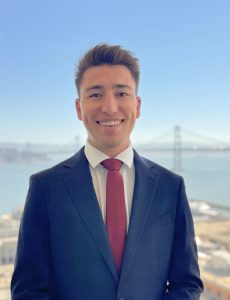
HTM Graduate Cole Spooner
Cole: “I started my Master’s program in August 2021 at the same time as my first job post-undergrad. During the hiring process, I shared that I was pursuing a Master’s in hospitality, and I think that demonstrated my commitment to the industry and long-term career goals. As a result, my leaders gave me more opportunities to learn and advance compared to others in similar roles.
One of the most impactful experiences was the capstone project—it gave me direct exposure to Directors and the GM, which is rare for a front office agent at a property of that size. That visibility helped me build relationships and showcase my capabilities.
I also really valued the mentorship program. I had a fantastic mentor in Scott Hermes, who gave me confidence that I was making the right career decisions and staying on track with my goals.
Balancing coursework with my new managerial responsibilities was challenging at first, but it pushed me to develop strong time management skills. In the end, that challenge became one of the most valuable lessons from the program.”
Carragh: “Completing the SDSU Global Campus HTM master’s program had a very real and immediate impact on my career. Towards the end of the program, I applied for and secured a promotion two levels above my previous role and stepped into my current position as a Senior Program Management Specialist overseeing the conference and events team. The program helped me build confidence and credibility to pursue that opportunity and feel prepared to succeed once I stepped into it.
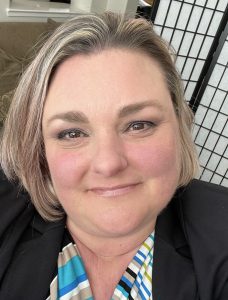
HTM Graduate Carragh Taylor-Hunt
The coursework gave me a stronger strategic foundation and helped me think beyond day-to-day execution. In my current role, I manage a diverse business portfolio, anticipate shifts in workload, apply industry and higher education trends to planning, and provide data-informed feedback to leadership. I regularly develop scopes of work, lead client meetings, build timelines, and ensure projects stay on track. When staffing challenges come up, I’m also able to step in and maintain continuity, which reflects the program’s emphasis on adaptability and operational problem-solving.
Just as important, the program strengthened my leadership skills. I now mentor and coach my team, assess staffing needs, lead change initiatives, and reinforce University and CCE values, all while continuing to grow as a leader. The program also expanded my financial knowledge, which allows me to work more confidently with the financial team to review project performance, evaluate projections, and make informed recommendations.
Balancing a demanding full-time role with graduate coursework was challenging, but it pushed me to strengthen my time management and prioritization skills. Overcoming that challenge reinforced my confidence and showed me I could operate effectively at a higher level. Overall, the program was a key driver of my professional growth and gave me the tools and confidence to take on expanded responsibility.”
2. Can you share an example of how the program’s coursework, mentorship, or industry insights directly informed your work or helped you level up professionally?
Cole: “The biggest competitive edge I gained was from the financial coursework. It gave me the ability to analyze hotel financial reports at a level that even some of my leaders couldn’t, which is something I would normally have learned only through years of experience. That really accelerated my growth.
Another area was leadership. While I can’t point to one specific class, the combination of coursework, on-campus weeks, and group projects shaped my leadership style. Those experiences built confidence and skills that helped me move into promoted positions quickly, especially at a young age. It’s not something I consciously think about—it’s more like the program ingrained those qualities into how I operate every day.”
Carragh: “One of the biggest ways the HTM program helped me level up professionally was through its focus on strategic thinking and financial understanding. The coursework gave me practical tools that I now use every day to manage a complex portfolio, planning ahead instead of reacting, building realistic scopes of work and timelines, and aligning resources more effectively.
The financial concepts were especially valuable. What I learned about budgeting, forecasting, and performance evaluation directly shaped how I now review project financials and partner with the financial team to assess projections and make recommendations. Leadership and change management lessons also influenced how I mentor my team and approach process improvements. Overall, the program didn’t feel theoretical; it translated immediately into my work and helped me operate more confidently at a strategic level.”
3. In what ways did the cohort model, on-campus weeks, and mentorship or coaching relationships shape your experience in the program and support your long-term professional network?
Cole: “From the very first on-campus week through the end of the program, collaboration was a huge part of the experience. The cohort model required us to work closely together and manage relationships to succeed with the coursework. That dynamic mirrored real-world leadership challenges and taught me how to lead effectively, even when I was one of the youngest and least experienced in the group. In many cases, I had to step up and lead peers who were older and more seasoned, which gave me confidence in my ability to guide experienced teams.
This translated directly to my professional life. When I became a manager, I was responsible for an extremely tenured team of line-level colleagues, supervisors, and managers. For much of my career, I’ll likely be managing people who are older or have more years with the company, and thanks to the program, I never felt intimidated by that dynamic. Instead, I learned how to build trust, communicate effectively, and lead with confidence.
The on-campus weeks also helped strengthen those skills by creating opportunities for face-to-face collaboration and relationship building. Beyond the leadership development, these experiences gave me a strong professional network of peers in the industry—people I can reach out to for advice, share ideas with, and learn from as I continue to grow in my career.”
Carragh: “The cohort model was a major part of what made the program meaningful. Learning alongside professionals from different backgrounds created a strong sense of accountability and collaboration, and I gained valuable perspective from hearing how others approached leadership and problem-solving in their own roles.
On-campus weeks really deepened those relationships. Having dedicated time to connect in person with classmates, faculty, and industry leaders strengthened the sense of community and helped bring the coursework to life. Those conversations often continued long after the sessions ended.
Mentorship and coaching relationships also played an important role. Having access to experienced professionals who could offer guidance, challenge my thinking, and share real-world insights helped shape my leadership approach and career decisions. The relationships built through the program continue to be a valuable professional network and resource.”
4. How has the program’s flexible online structure, paired with real-world, cross-industry relevance, enabled you to pursue new opportunities across hospitality, events, F&B, or other sectors?
Cole: “The flexibility of the program was huge for me. It allowed me to balance full-time work while earning my Master’s, and I was able to apply what I learned right away on the job. That made the coursework feel really practical instead of just theoretical.
What I loved most was how broad and cross-industry the curriculum was. It didn’t just focus on hotel operations—it covered other areas of hospitality, which gave me confidence that I could pivot into different sectors if I wanted to. That perspective was reinforced by my involvement outside of work too—I spent some time on the CHLA Scholarship Board before moving out of California to Kauai, which gave me exposure to industry leaders and helped me see the bigger picture of hospitality beyond just my property.”
Carragh: “The flexibility of the online structure made it possible for me to complete a rigorous graduate program while continuing to grow professionally. I didn’t have to pause my career to earn my degree, and I was able to apply what I was learning in real time as my responsibilities expanded.
At the same time, the program’s cross-industry focus helped me develop skills that aren’t limited to one sector. The emphasis on strategy, finance, operations, and leadership applies across hospitality, events, food and beverage, and beyond. That broader perspective has made me more adaptable, more confident working with diverse stakeholders, and better positioned for opportunities that require both industry knowledge and strategic leadership.”
5. How did the online program structure, faculty accessibility, and community support make it possible to succeed while managing work and life responsibilities, while balancing your personal and professional commitments?
Cole: “Honestly, the online structure was a massive benefit for me. I can confidently say I wouldn’t have been able to work full-time and complete the program if it had been in person. The flexibility meant I didn’t have to choose between advancing my career and pursuing my education, I could do both at the same time, which was really important to me.
One of the reasons I chose SDSU’s Master’s program was because of the support and authenticity I experienced from the faculty during my undergrad. At first, I worried that being online might take away from that, but after speaking with Jeff Campbell, he told me the program was like our undergrad on steroids—and he was absolutely right. Even though it was online, the accessibility of the professors and staff was incredible. Anytime I needed help or guidance, they were there, whether it was answering questions, providing feedback, or just offering reassurance when things got overwhelming.
That level of support made a huge difference in balancing everything—work, school, and life. There were definitely times when managing coursework alongside my professional responsibilities felt challenging, but having that flexibility and knowing I had a strong support system gave me the confidence to push through. In the end, it didn’t just help me succeed in the program—it taught me how to manage competing priorities effectively, which is a skill I use every single day in my career.”
Carragh: “The online structure was essential in helping me balance work, life, and school. It allowed me to stay engaged in a demanding professional role while keeping up with coursework without sacrificing quality or consistency. Faculty accessibility made a big difference as well. Professors were responsive and supportive, offering timely feedback and practical insight that helped me stay focused and apply what I was learning directly to my work.
Just as important was the support of the cohort. Knowing others were navigating similar challenges created a strong sense of encouragement and shared accountability. Together, these elements made it possible for me to successfully manage my personal and professional commitments while completing the program.”


